UNHCR Immigrants, Integration, and Deportation
General Assembly
African Union:
Mineral Extraction in the Congo
Specialized Committee
African Union:
Mineral Extraction in the Congo
Specialized Committee
African Union:
Mineral Extraction in the Congo
Specialized Committee



Committee Description:
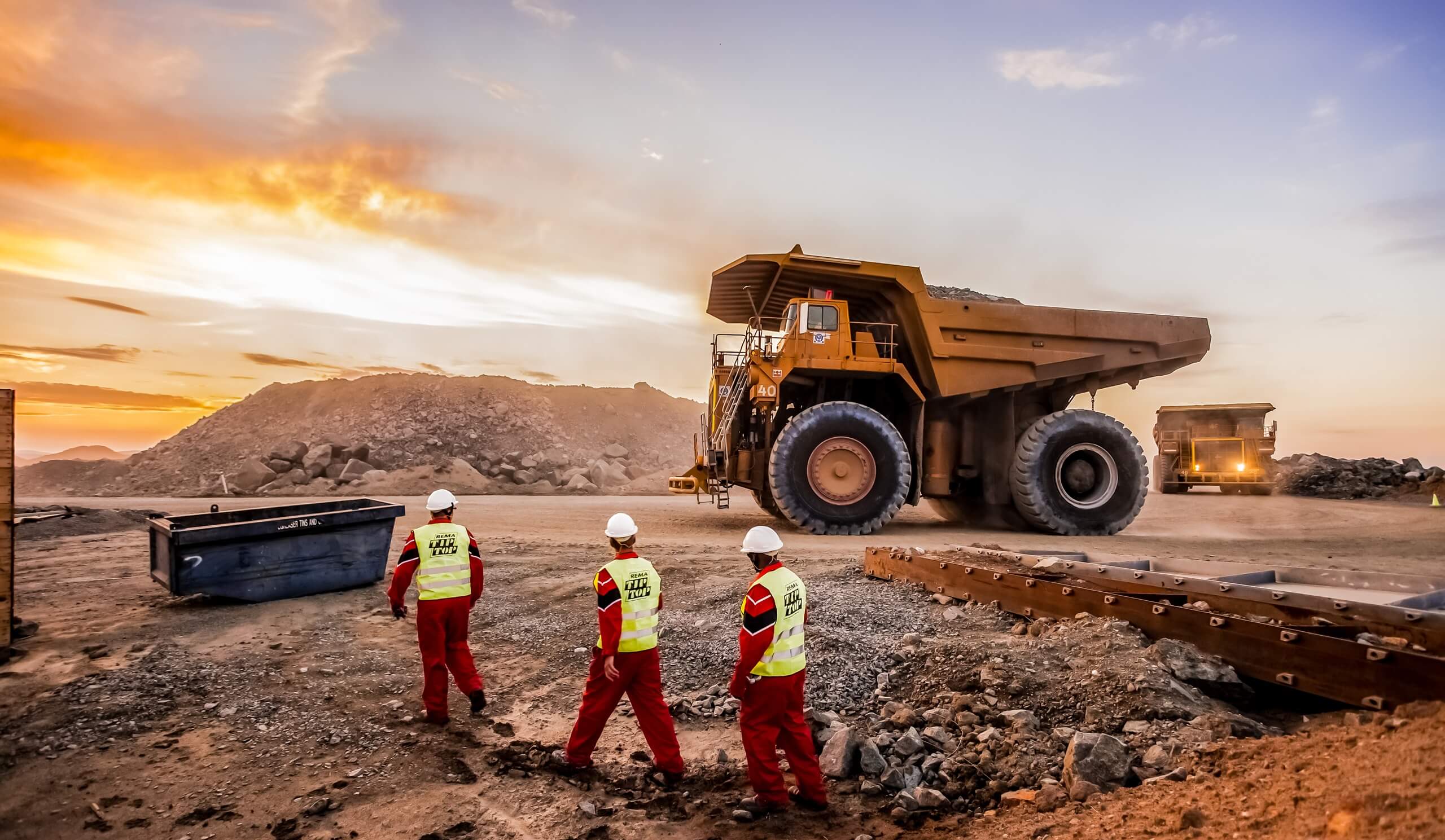
The primary export of the Democratic Republic of The Congo is mining, with 95% of exports being rare earths, precious metals, and an assortment of other valuable elements and minerals. The nation represents not only the largest world supplier of cobalt, an element used in the manufacture of batteries and is mined in both industrial and ‘artisanal’ scale operations, but also of similarly important metals like nickel and copper. Along with the elements crucial to batteries, the DRC is a significant exporter of diamonds, gold, tantalum, tin, and tungsten. While each of these minerals lend themselves to different industries, such as luxuries, electronics, metallurgy, and weapons, their greatest byproduct has been conflict.
Over the past 30 years, an estimated 6 million people have died in various conflicts relating to resource control in the region, with the Congolese military fighting armed militias and various state and non-state actors vying for control of the wealth beneath the soil. This has created numerous militias and gangs that in turn create networks of alliances, take control of territory, and establish heavily militarized roadblocks; all of this is done in an effort to maintain control over the extracting of value from the land and people. The principal cost of these wars has been of civilian lives, both from the direct violence of armed conflict and through the systematic violence of mineral extraction, which often include child labour and extremely dangerous working conditions.
Mining operations have also caused significant environmental degradation. Industrial-scale mining involves immense amounts of deforestation in one of the few largely intact rainforests left on Earth, while toxic runoff and other harmful byproducts cripple the ability of the devastated ecosystems to recover. Artisanal mining, while less damaging to the environment, still leads to dangerous working conditions and years of community wide exposure to toxic substances.
The purpose of this committee is to address this crisis as the African Union, carving a path towards sustained, real peace by addressing the violence, exploitation, and environmental degradation occurring in the DRC and surrounding region.
Head Chair: Orlando Hill
Vice Chair: Kylee Brown
Head Chair: Orlando Hill
Vice Chair: Kylee Brown
Committee Description:
The primary export of the Democratic Republic of The Congo is mining, with 95% of exports being rare earths, precious metals, and an assortment of other valuable elements and minerals. The nation represents not only the largest world supplier of cobalt, an element used in the manufacture of batteries and is mined in both industrial and ‘artisanal’ scale operations, but also of similarly important metals like nickel and copper. Along with the elements crucial to batteries, the DRC is a significant exporter of diamonds, gold, tantalum, tin, and tungsten. While each of these minerals lend themselves to different industries, such as luxuries, electronics, metallurgy, and weapons, their greatest byproduct has been conflict.
Over the past 30 years, an estimated 6 million people have died in various conflicts relating to resource control in the region, with the Congolese military fighting armed militias and various state and non-state actors vying for control of the wealth beneath the soil. This has created numerous militias and gangs that in turn create networks of alliances, take control of territory, and establish heavily militarized roadblocks; all of this is done in an effort to maintain control over the extracting of value from the land and people. The principal cost of these wars has been of civilian lives, both from the direct violence of armed conflict and through the systematic violence of mineral extraction, which often include child labour and extremely dangerous working conditions.
Mining operations have also caused significant environmental degradation. Industrial-scale mining involves immense amounts of deforestation in one of the few largely intact rainforests left on Earth, while toxic runoff and other harmful byproducts cripple the ability of the devastated ecosystems to recover. Artisanal mining, while less damaging to the environment, still leads to dangerous working conditions and years of community wide exposure to toxic substances.
The purpose of this committee is to address this crisis as the African Union, carving a path towards sustained, real peace by addressing the violence, exploitation, and environmental degradation occurring in the DRC and surrounding region.

Committee Description:
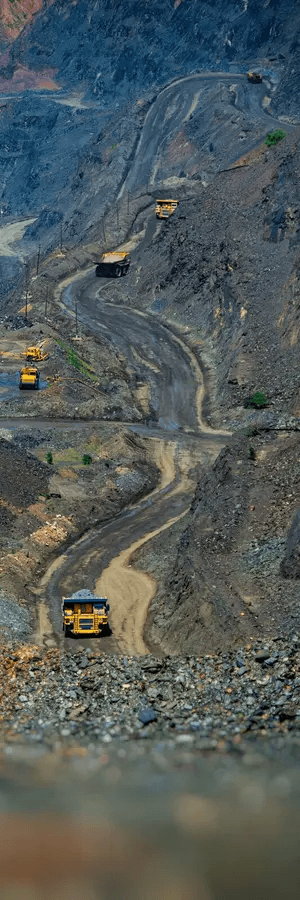
The primary export of the Democratic Republic of The Congo is mining, with 95% of exports being rare earths, precious metals, and an assortment of other valuable elements and minerals. The nation represents not only the largest world supplier of cobalt, an element used in the manufacture of batteries and is mined in both industrial and ‘artisanal’ scale operations, but also of similarly important metals like nickel and copper. Along with the elements crucial to batteries, the DRC is a significant exporter of diamonds, gold, tantalum, tin, and tungsten. While each of these minerals lend themselves to different industries, such as luxuries, electronics, metallurgy, and weapons, their greatest byproduct has been conflict.
Over the past 30 years, an estimated 6 million people have died in various conflicts relating to resource control in the region, with the Congolese military fighting armed militias and various state and non-state actors vying for control of the wealth beneath the soil. This has created numerous militias and gangs that in turn create networks of alliances, take control of territory, and establish heavily militarized roadblocks; all of this is done in an effort to maintain control over the extracting of value from the land and people. The principal cost of these wars has been of civilian lives, both from the direct violence of armed conflict and through the systematic violence of mineral extraction, which often include child labour and extremely dangerous working conditions.
Mining operations have also caused significant environmental degradation. Industrial-scale mining involves immense amounts of deforestation in one of the few largely intact rainforests left on Earth, while toxic runoff and other harmful byproducts cripple the ability of the devastated ecosystems to recover. Artisanal mining, while less damaging to the environment, still leads to dangerous working conditions and years of community wide exposure to toxic substances.
The purpose of this committee is to address this crisis as the African Union, carving a path towards sustained, real peace by addressing the violence, exploitation, and environmental degradation occurring in the DRC and surrounding region.